
Signs Your Desert Home May Need New Windows

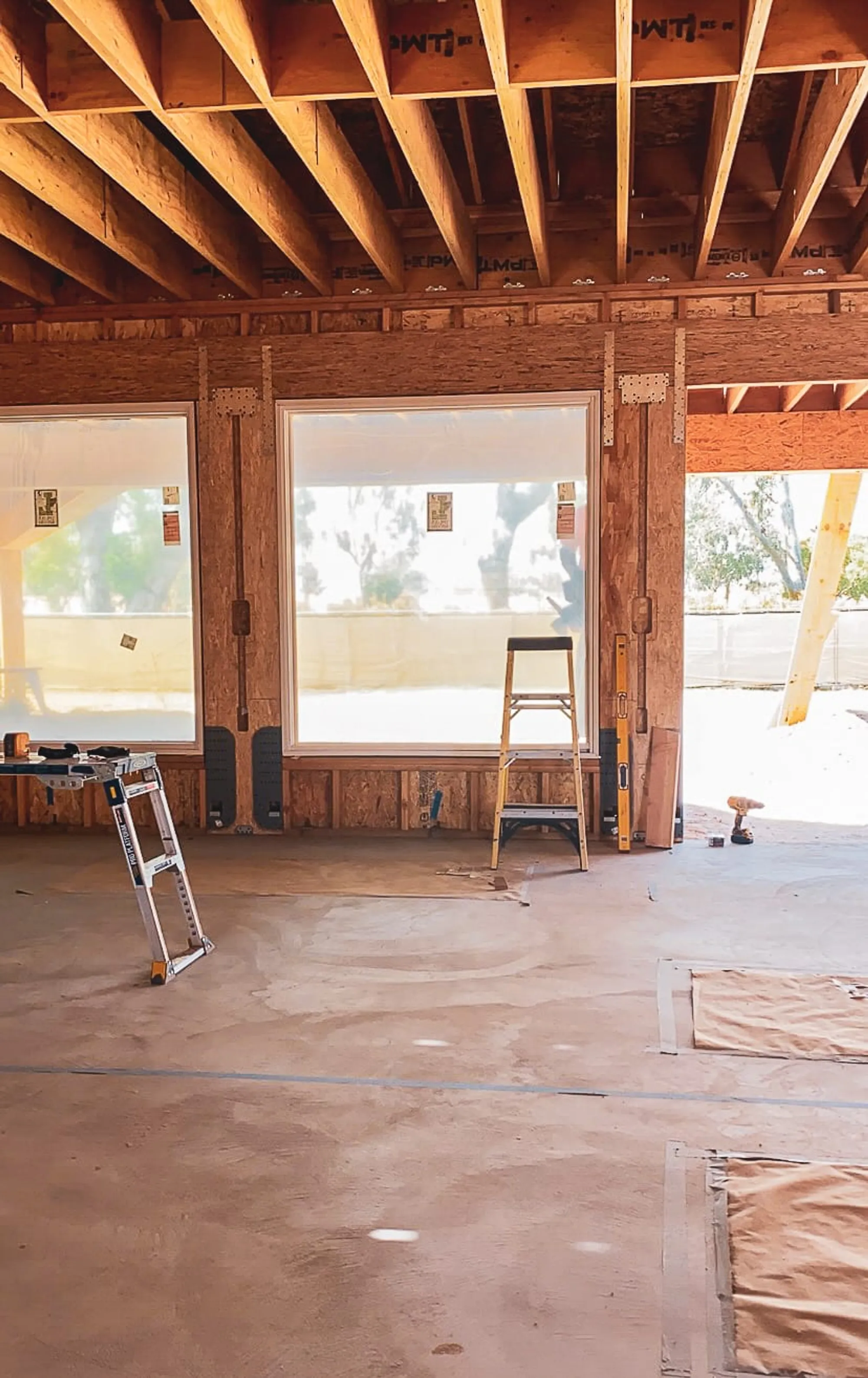
Desert windows face years of strong sun, temperature swings, wind, and fine dust. Some problems are obvious, such as cracked glass or a sash that will not close. Others appear slowly as a room that feels hotter, a track that becomes harder to use, or a stain that returns after it is painted.
For homeowners in Bermuda Dunes, Palm Desert, La Quinta, Indio, Palm Springs, and the Coachella Valley, the useful question is not simply how old a window is. It is whether the window and its surrounding opening still operate, seal, drain, and support the comfort the room needs.
Quick Answer
Consider a professional window review when you notice persistent drafts, hot zones, fogging between panes, damaged frames, failing locks, difficult operation, recurring water marks, cracked sealant, or exterior finishes pulling away from the opening. One symptom may call for maintenance, while several symptoms together can make replacement a more practical discussion.
Our window installation service can help evaluate replacement scope, and you can contact us to arrange a project conversation.
Separate Maintenance Issues from Window Failure
Not every draft or stiff slider means the entire unit must be replaced. Dirty tracks, worn rollers, loose hardware, tired weatherstripping, or a local sealant gap may be repairable. On the other hand, a failed insulated glass seal, distorted frame, significant corrosion, damaged sash, or deteriorated opening can point toward a larger intervention.
Start by cleaning accessible tracks and observing the unit closely. Do not force a sash that binds or disturb a stained area if the source is unknown. Record what happens, where it happens, and whether the issue changes with wind, sun, or rain. That information helps distinguish a product problem from an installation, wall, or maintenance issue.
Eight Signs Worth Investigating
- Fog or haze between panes: Moisture or residue inside an insulated glass unit can indicate that its sealed assembly is no longer intact.
- Persistent air movement: A noticeable draft around a closed window may come from weatherstripping, the sash, the frame, or gaps between the frame and wall.
- Difficult operation: Sticking, dragging, or a window that will not remain in position can involve tracks, rollers, balances, hardware, frame movement, or installation alignment.
- Locks that no longer align: A lock should engage without forcing the sash. Misalignment can affect security and the compression of seals.
- Recurring stains or soft finishes: Discoloration, bubbling paint, soft drywall, or damaged trim deserves investigation before cosmetic repair.
- Cracked or separated exterior sealant: Open joints can expose the perimeter to dust and weather, though the correct repair depends on the wall and window assembly.
- Frame deterioration: Cracks, corrosion, warping, loose corners, or damaged tracks may limit a lasting repair.
- Persistent room-specific discomfort: If one room is consistently hotter or brighter near its windows, glass, air leakage, shade, and orientation should be reviewed together.
Check the Opening, Not Just the Unit
A replacement decision should include the area around the window. Look for cracks in stucco radiating from corners, gaps at trim, failed interior caulk, water marks below the sill, or flooring damage near a low opening. These observations do not identify the source by themselves, but they tell the installer where closer inspection is needed.
Ask whether the proposed scope includes removal of nearby trim, inspection of the rough opening, needed flashing or sealing, and restoration of interior and exterior finishes. Covering a symptom without understanding the opening can leave the underlying issue unresolved.
Notice How the Window Behaves at Different Times
Desert conditions can make symptoms intermittent. A west-facing window may operate differently after hours of direct sun. Dust may make a frequently opened slider feel rough. A draft may be obvious only during a windy evening. Glare may affect a workstation for one short but disruptive period each afternoon.
Keep notes for several days. Include the time, weather, affected area, and whether the window was locked. Photos of stains, gaps, or condensation can also help establish whether a condition changes.
Replacement Planning Checklist
- Make an opening-by-opening list of symptoms
- Rank safety, water, operation, comfort, and appearance concerns
- Photograph frames, tracks, glass, locks, trim, and nearby finishes
- Decide which windows must preserve a view or match a visible elevation
- Identify desired ventilation, privacy, screen, and hardware functions
- Compare glass and frame choices for each exposure
- Clarify protection, removal, sealing, flashing, and finish repairs
- Confirm how unexpected framing or finish damage will be discussed
- Plan a final check of operation, locks, screens, sealant, and cleanup
Grounded Coachella Valley Considerations
Fine dust is common and can accelerate wear in tracks and hardware if regular cleaning is difficult. Strong sunlight can reveal failed insulated glass seals and contribute to room-specific glare, but discomfort can also involve shade, attic or wall conditions, doors, and cooling distribution. Water marks around an opening require careful source investigation because the path of moisture is not always directly above the visible stain.
For homes with stucco exteriors, replacement may involve more than the window itself. The installer should explain how the existing unit will be removed, what finish disturbance is expected, and how the perimeter will be integrated and restored. The right approach depends on the window type and wall condition found at the home.
Repair, Replace One, or Plan a Phase
A single damaged unit can sometimes be addressed on its own. When several windows share the same age, product, or symptoms, a phased plan may make comparison and budgeting easier. Prioritize openings with water concerns, poor locking, broken glass, or serious operation issues before cosmetic differences.
Consistency still matters. If windows will be replaced over time, record product line, frame profile, color, grid pattern, glass appearance, screen type, and hardware. Future availability can change, so discuss how a phase may affect the visible exterior.
FAQs
Does condensation mean I need new windows?
Not always. Condensation on a room-side surface differs from fogging trapped between panes. Location, humidity, temperature, and the glass assembly all matter.
Can a draft be fixed without replacing the window?
Sometimes. Weatherstripping, hardware, sealant, or installation gaps may be involved. An inspection can identify whether a focused repair is reasonable.
Is difficult operation only a maintenance problem?
It may be, but worn hardware, distorted frames, damaged tracks, or poor alignment can also cause binding. Avoid forcing the unit and have the cause reviewed.
Should I replace every window at once?
No. Replacement can be prioritized by damage, operation, exposure, and room needs, with exterior consistency considered in a phased plan.
What information should I bring to a window consultation?
Bring photos, a symptom list, approximate opening locations, comfort concerns, desired functions, and notes about when each issue appears.
Turn Symptoms into a Clear Scope
The goal of an evaluation is to identify what is happening at each opening and choose a proportionate response. If your desert home has windows that leak air, bind, fog, or show surrounding damage, review our window installation service and contact Oficial Custom Innovation.
Next steps
Turn your ideas into a clear project scope.
Talk with our Bermuda Dunes team about priorities, budget, and planning for your Coachella Valley project.